Transforming middle mile delivery through carrier enablement

DAT Freight and Analytics
Supply chain and logistics
Head of User Experience
2.6 years (2019 - 2021)
Context
The end users
Shippers, Brokers, 3PLs (third-party logistics), and Carriers (trucks).
The business problem:
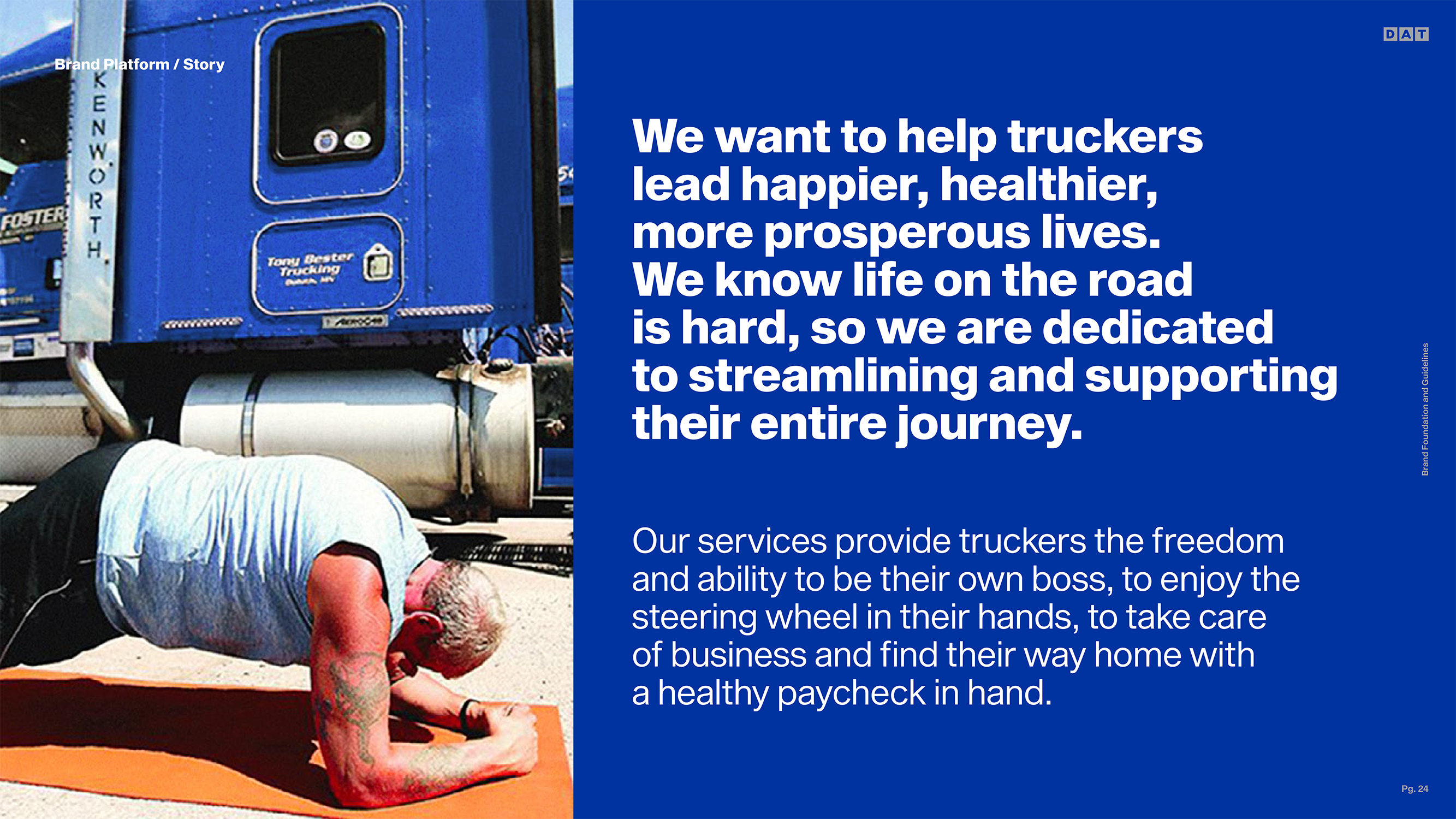
The trucking industry is fragmented, with only 12% of carriers (trucks) owned by fleet companies; the low barrier and cost of entry have resulted in small businesses where truck drivers are owners and operators. Finding reliable carriers is difficult, which poses a significant problem for supply chain connectivity, affecting shippers and 3PLs. Carriers are often low-balled on shipment rates; they are entrepreneurs who lead hard lives on the road and want to earn a living wage. A marketplace that allows shippers, brokers, and carriers to bid on shipment prices will level the playing field.
The product problem
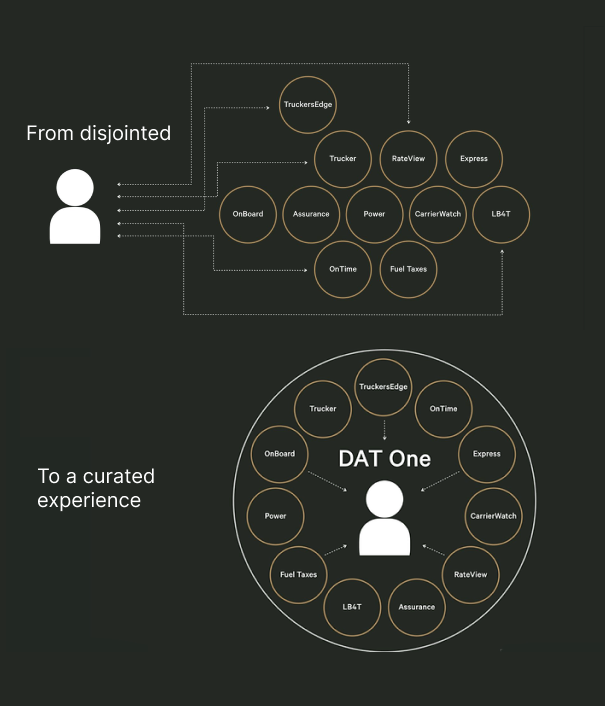
DAT is the oldest and most prominent freight marketplace in North America. They also have legacy applications with a deprecated tech stack with poor user experience. They have three different mobile applications for carriers for finding loads, and amenities, and a tool for market rates. This has caused friction and many carriers are leaving for competitors such as Truck Stop and Trucker Tools.
Opportunity and outcome
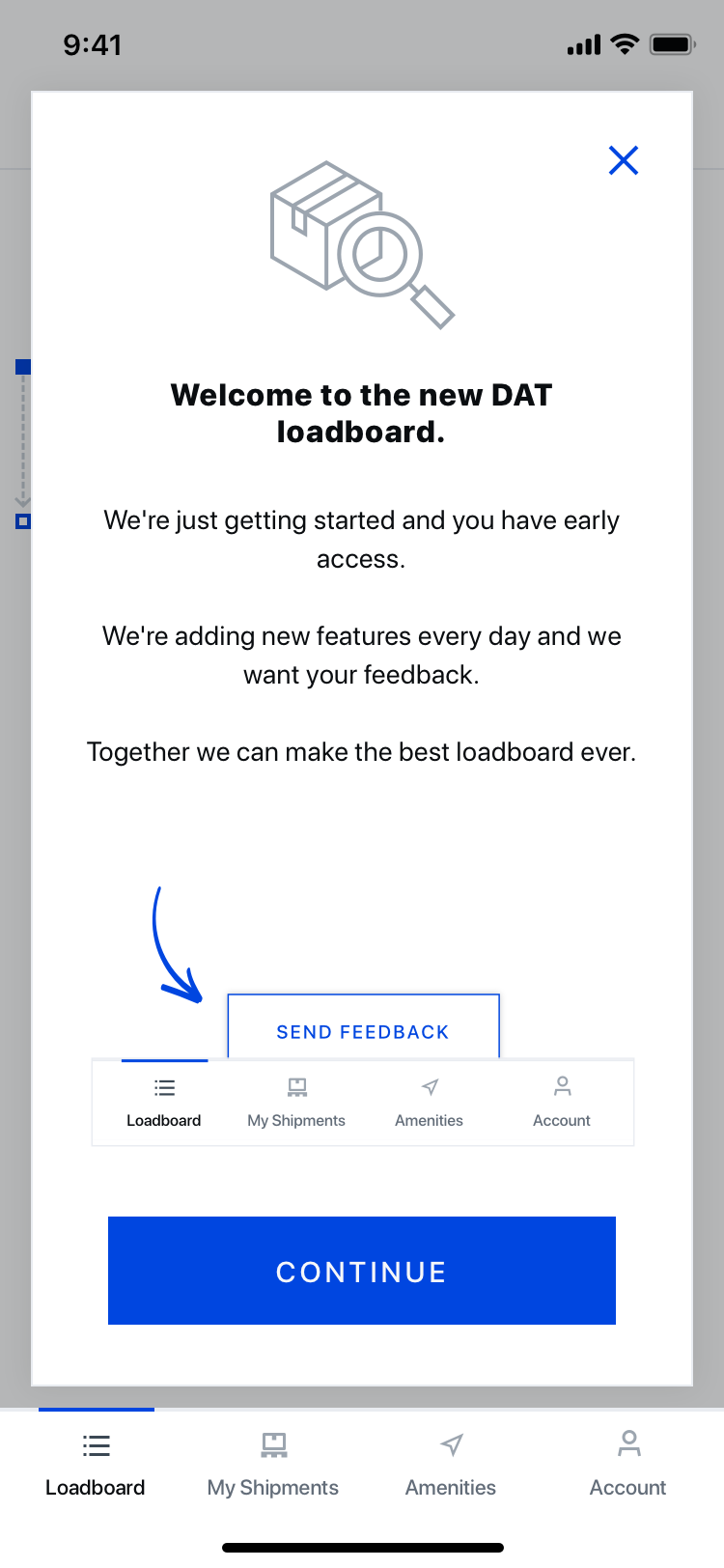
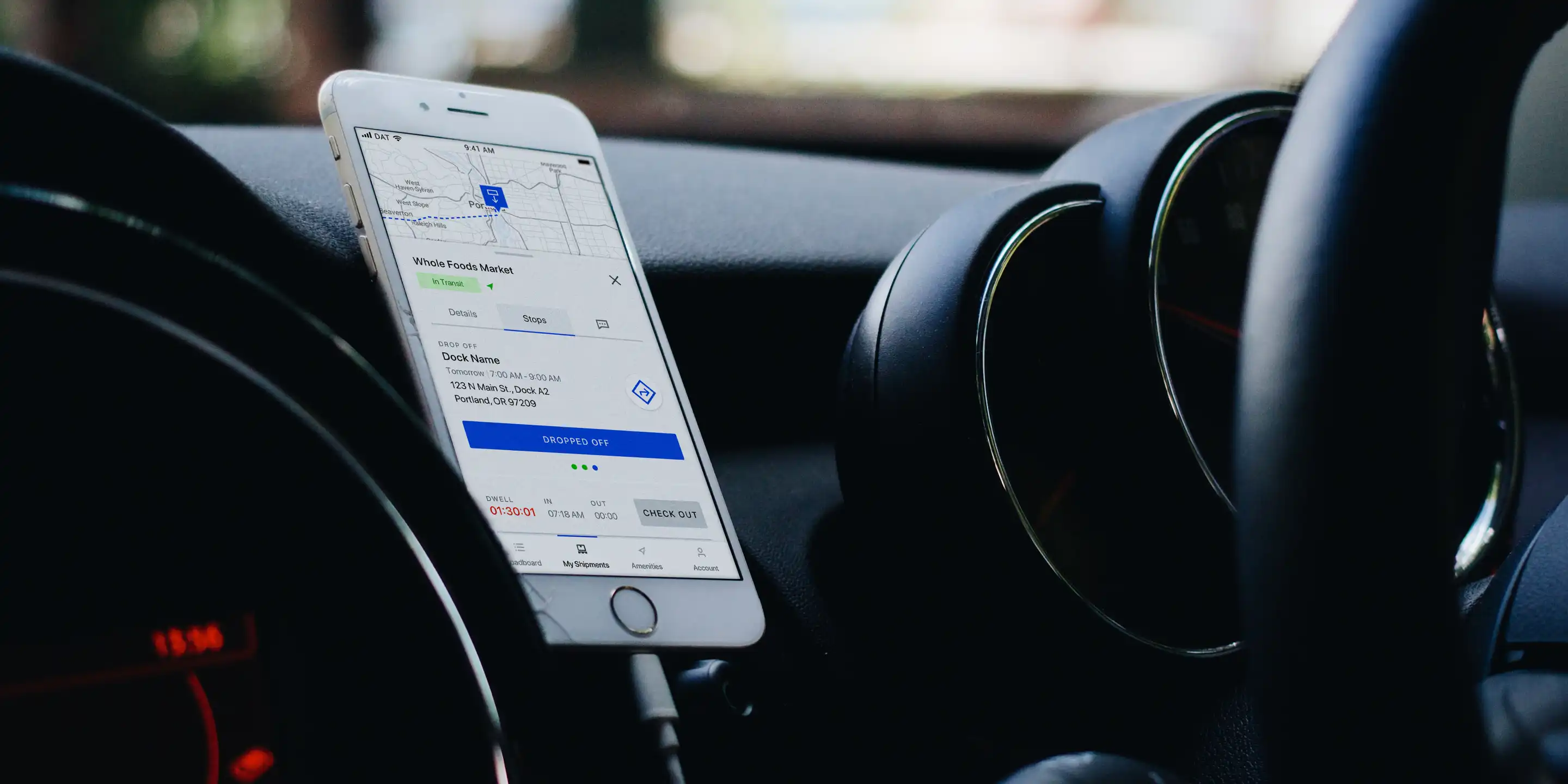
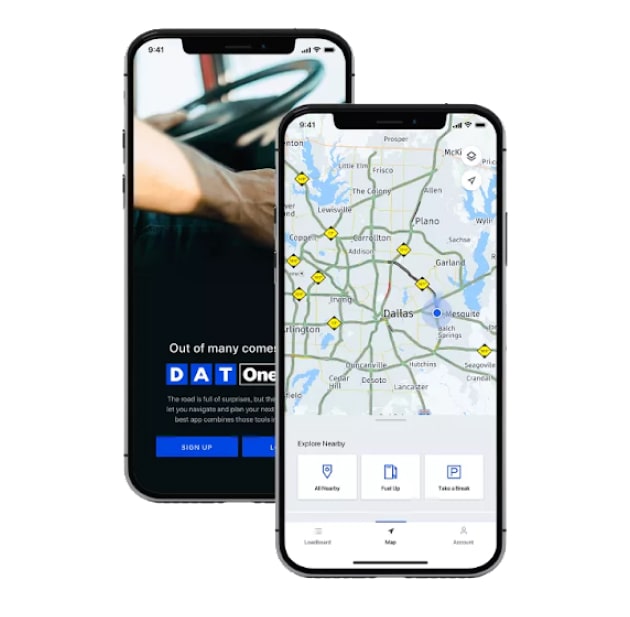
A consolidated mobile app that carriers can rely on:
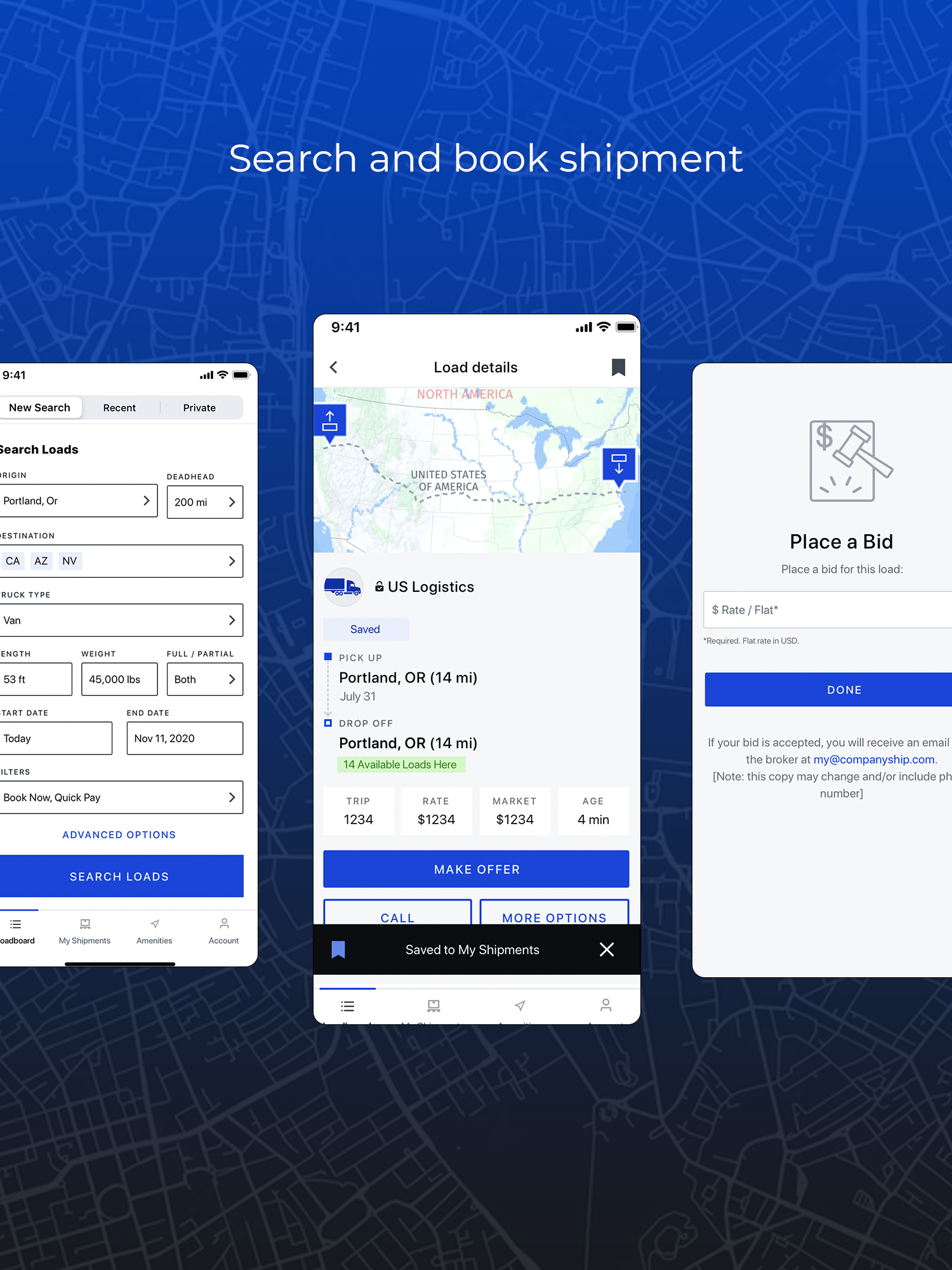
1. Ability to bid on loads and get a fair price.
2. Easy way to sign, send, and upload documents.
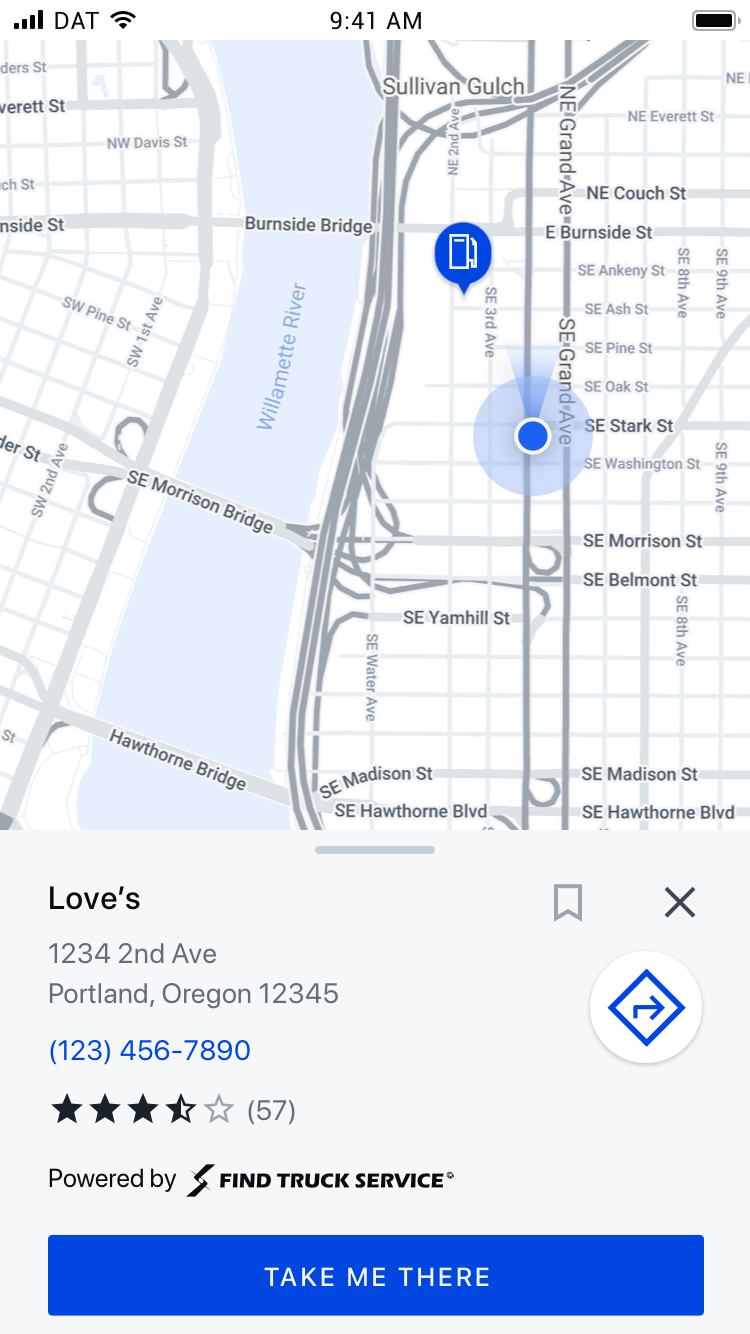
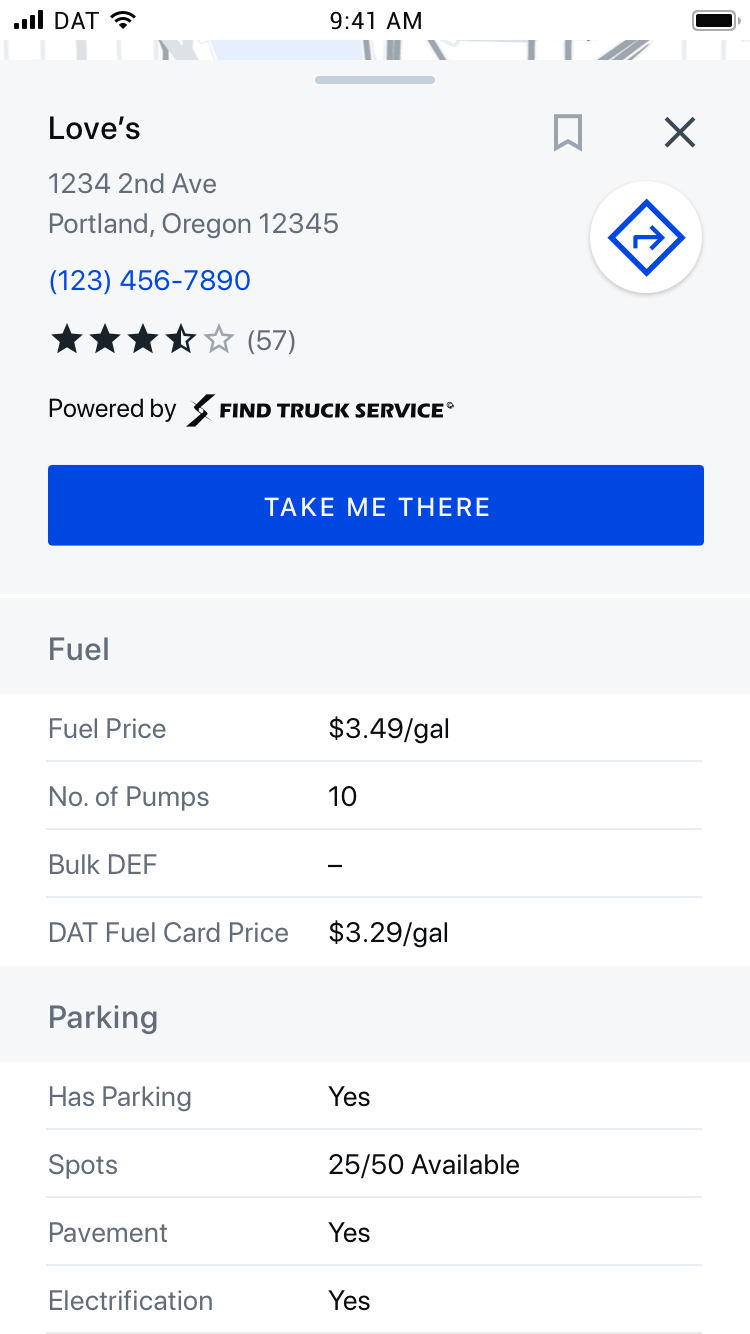
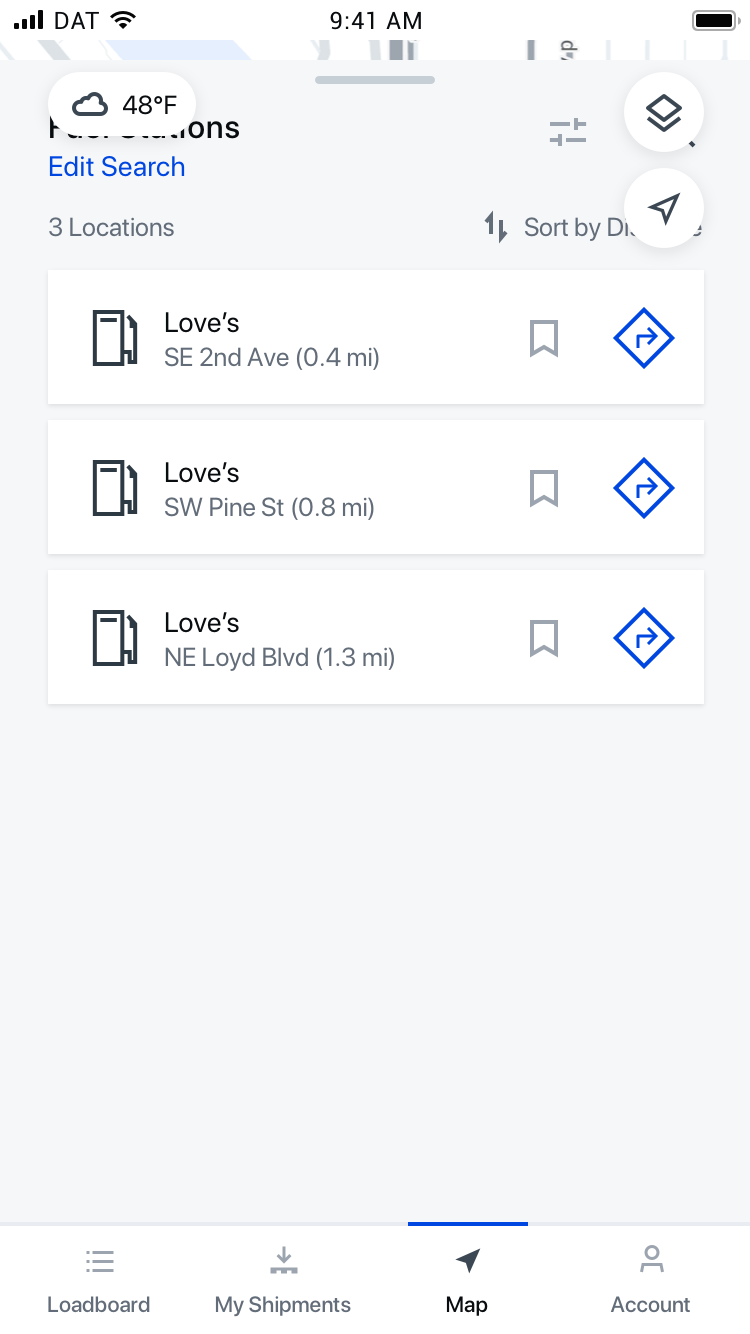
3. Amenities for the roads include weigh stations, fuel, and safe parking.
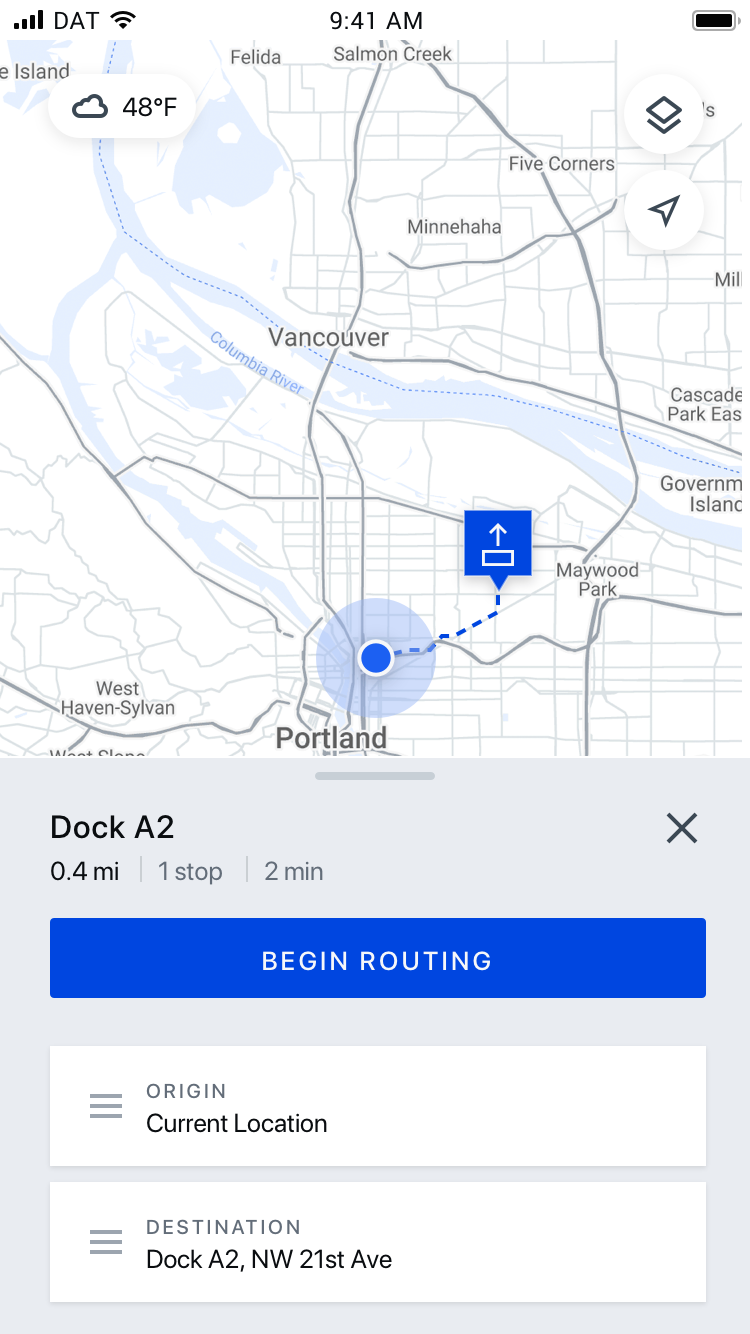
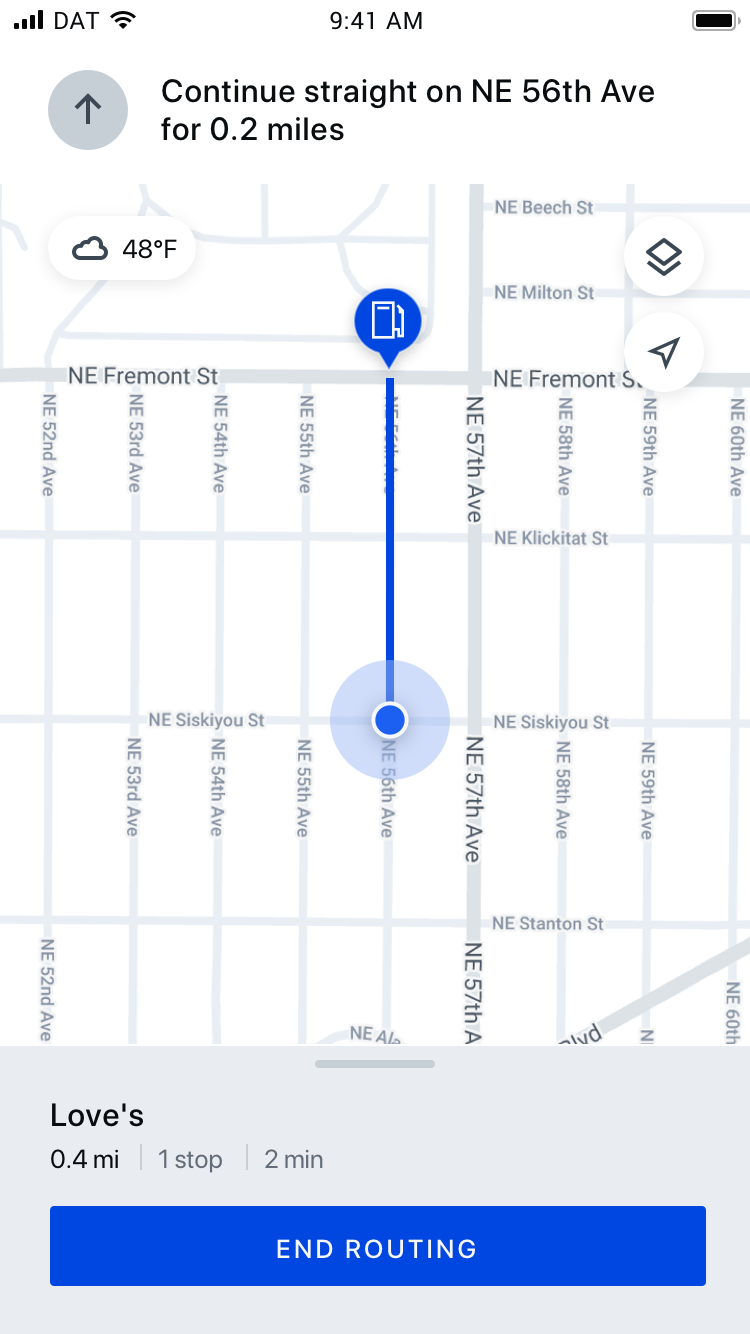
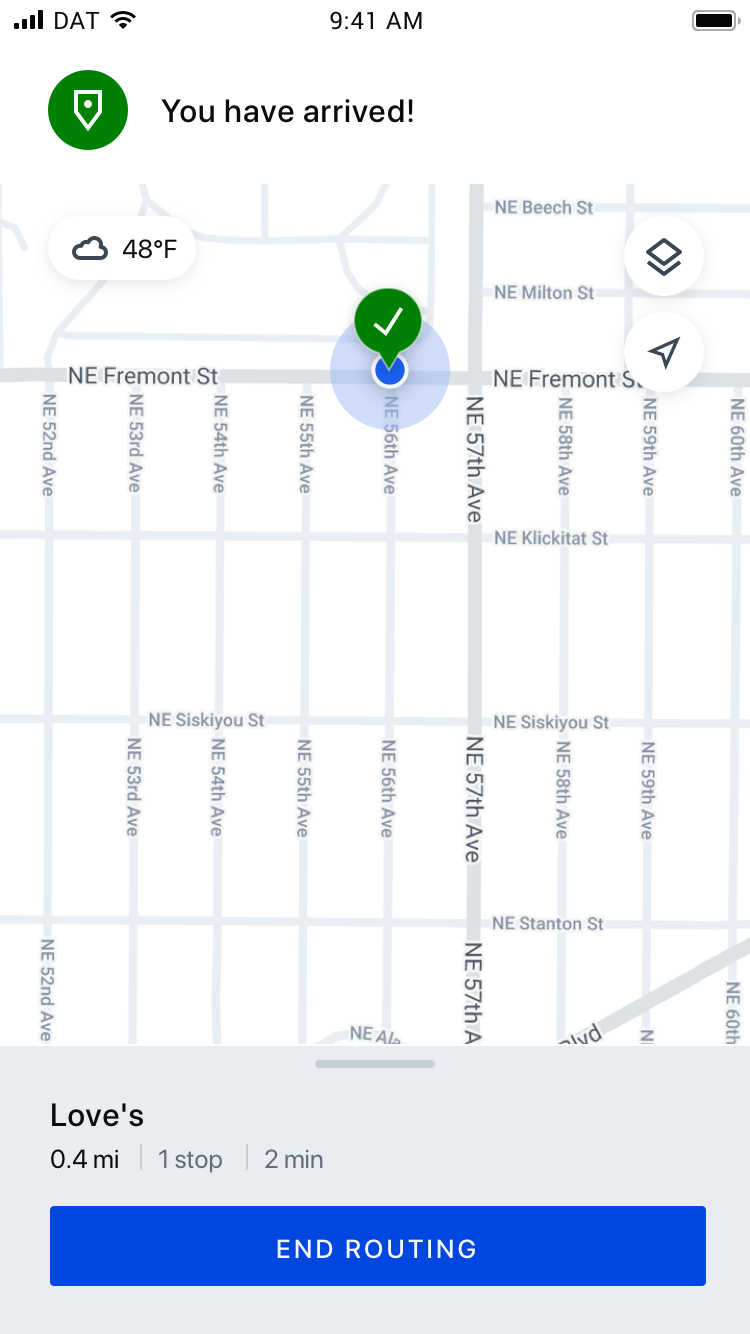
4. Turn-by-turn directions, especially for freight, informing of alternative routes, avoiding overpasses and city traffic.
5. Push notifications for backhaul shipments based on historical usage.
Outcome
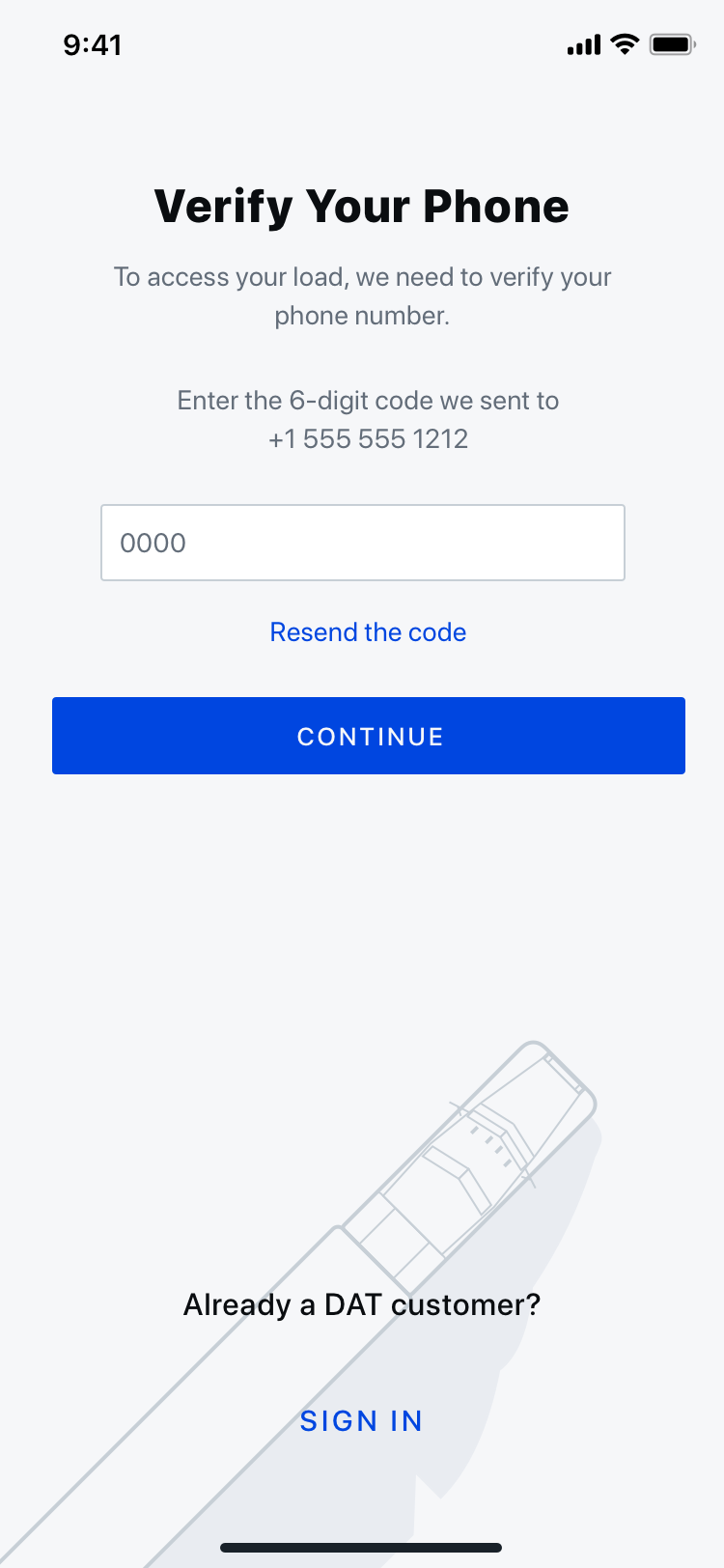
An improved self-sign-up design for the DAT platform resulted in an 11% lift in conversion, 17% faster completion, and a $13.3M increase in lifetime value.
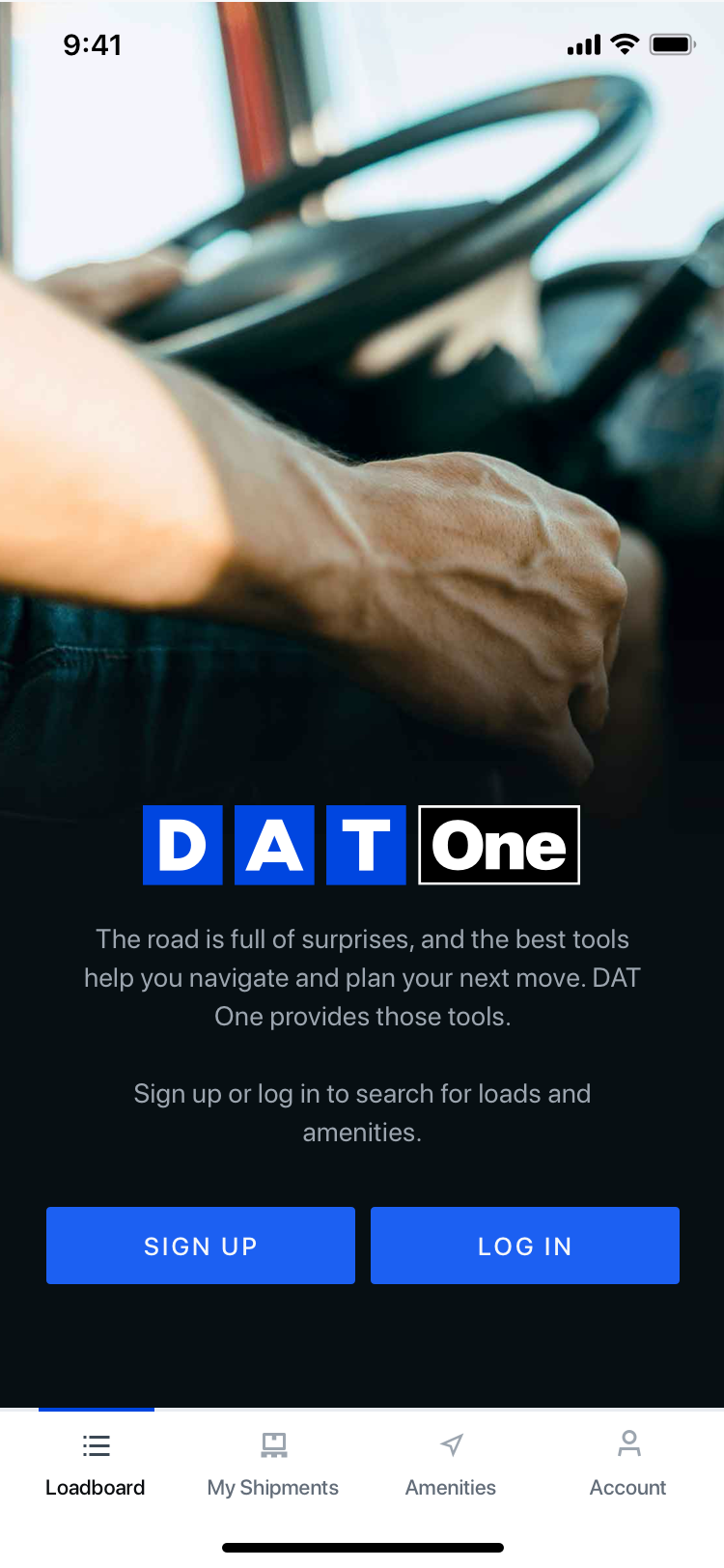
A single mobile app instead of three improved customer stickiness by 40% and reduced the development and maintenance costs by 550K
Increased in-app purchases and subscriptions by 20%; brought 4.2 million of business in first 180 days, exceeding forecast by 32%
Nominated for 2020 iXDA awards.
Customer quote:
"Of all the load boards out there, I use DAT 100% of the time to book my next load; DAT ensures I am back home each Friday to be with my family." - Chris, truck driver
User research and methodology
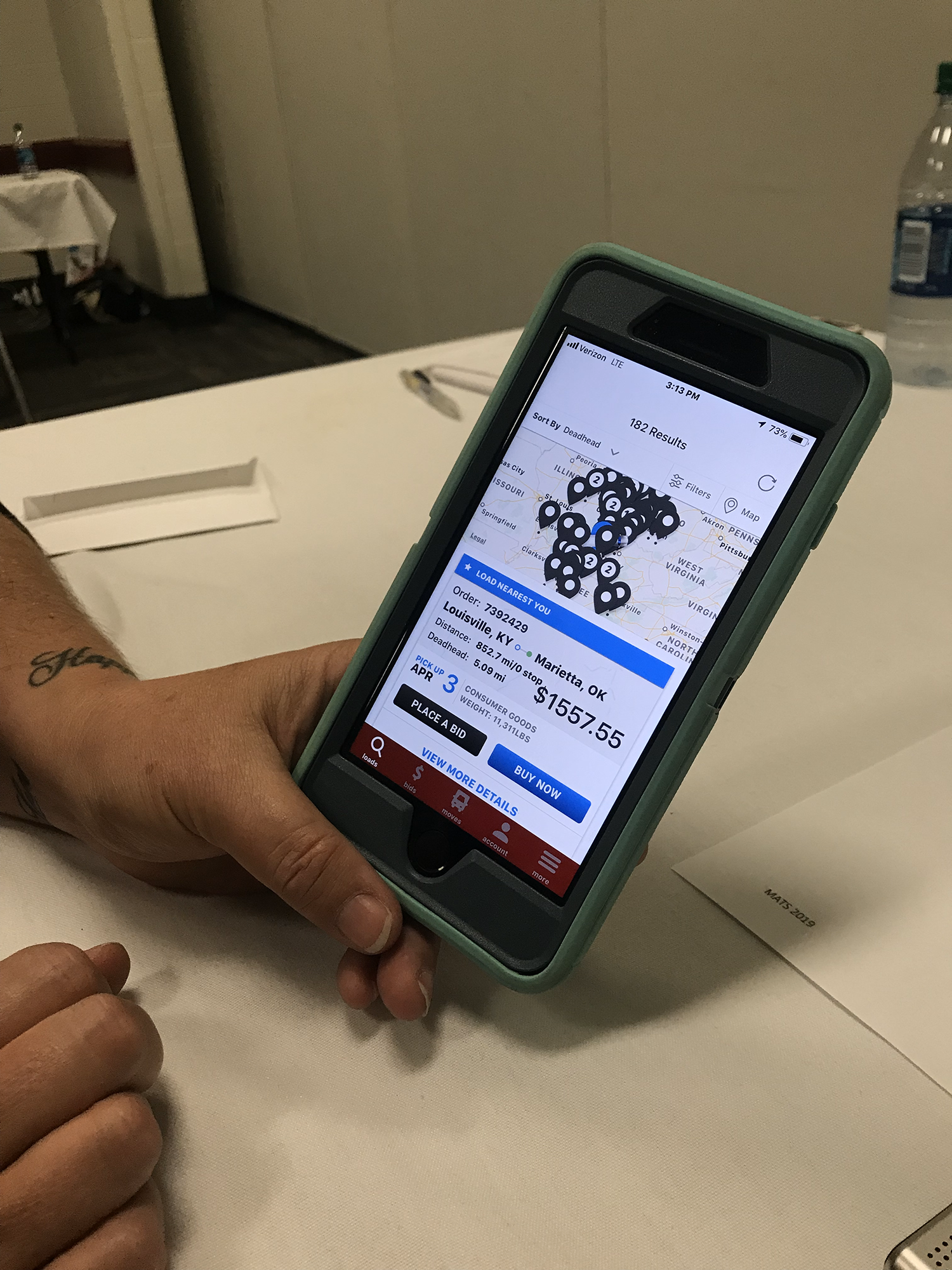
We started with a product hypothesis, including conducting behavioral and attitudinal research using qualitative and quantitative sessions.
1. Secondary research
2. Existing app usage data analytics
3. Qualitative user feedback sessions consisting of 15 user interviews
4. Each interview was 45 minutes long
5. On-site user research at five shippers and five broker locations.
6. Concept user testing with 5-7 carriers
User research findings
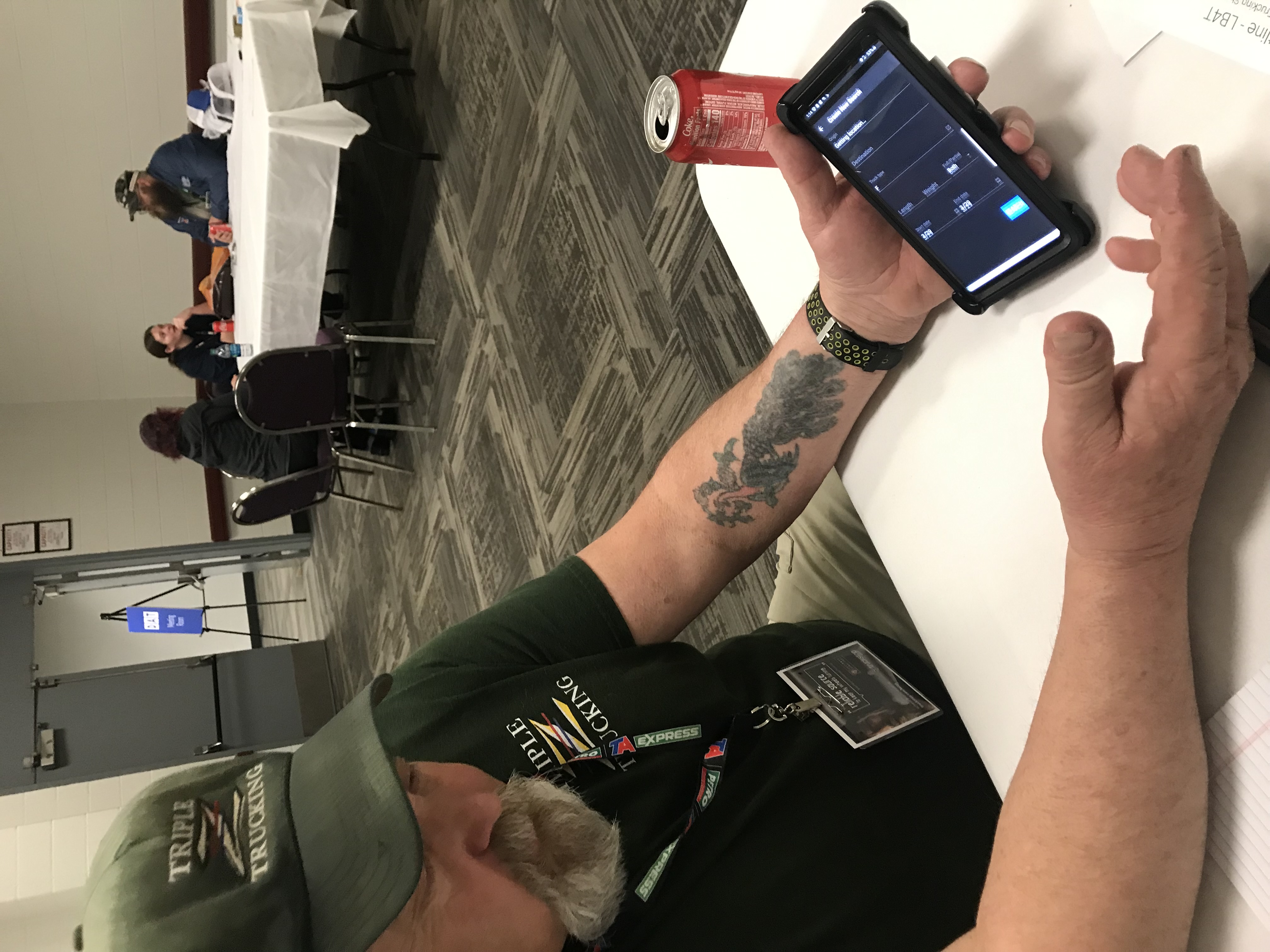
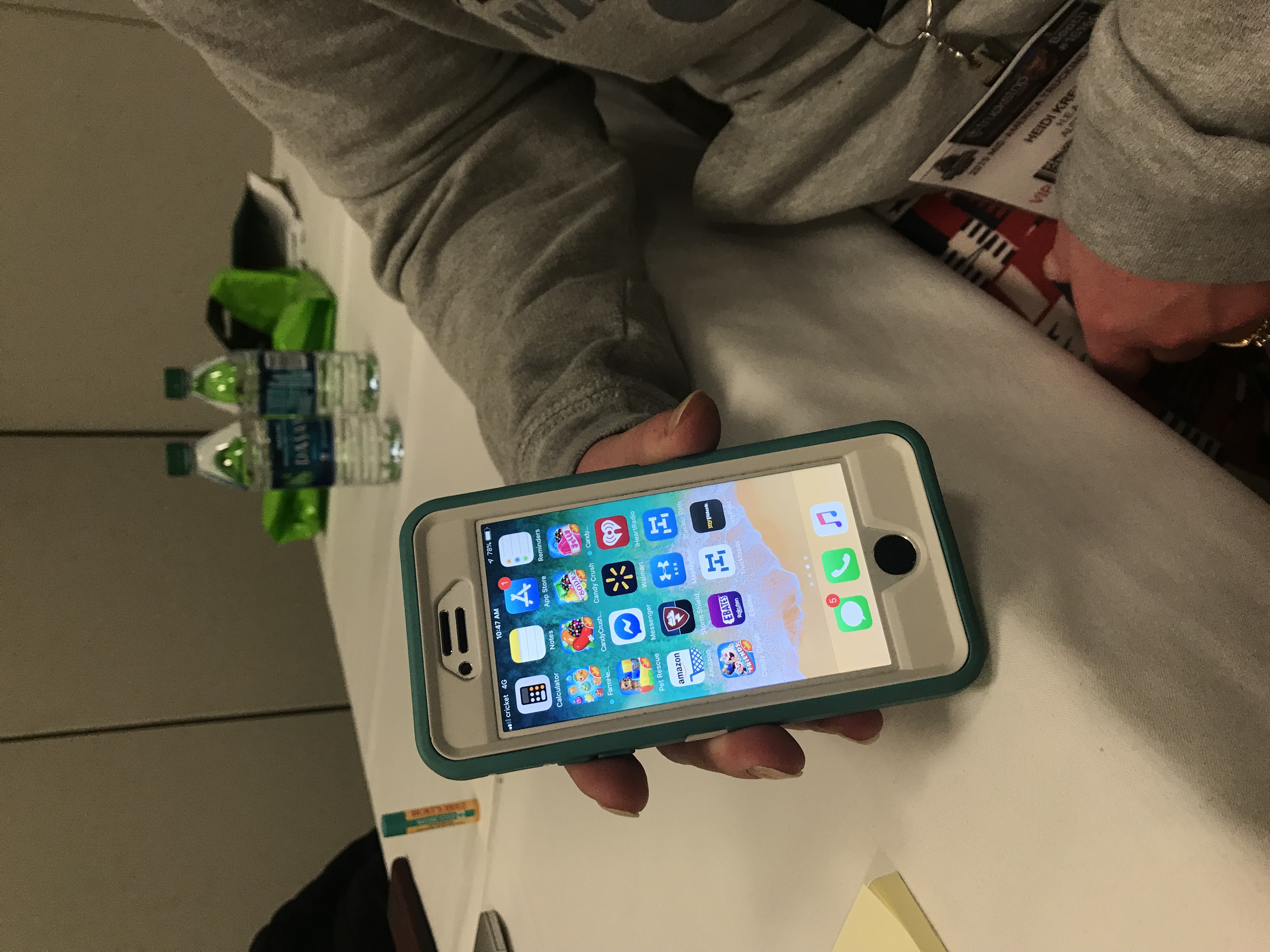
Most drivers/carriers have 20-30 business-related apps, they delete apps from logistics companies they do not frequently do business with. The services they require while on the road are weigh station information, fuel cards, accurate location information.
Prioritized roadmap
Provide carriers the ability to bid on loads as they is the driver for stickiness. Carriers should receive push notifications on backhaul offers that they can bid on and avoid negotiating over the phone. Turn by turn directions are key as Google maps, though frequently used, are not accurate.
My role and responsibility
Establish the user research and design vision, creative & UX direction, strategy, and planning.
Define the UX goal and ensure it aligns with the broader business and product goal.
Establish a comprehensive design system and digital accessibility program.
Work with product management leadership to prioritize the roadmap based on research findings.
Provide autonomy and set up the teams for success.
Track and report user success metrics.
Plan and execute customer feedback loop on new designs in beta and production.
Tenets for success
Design is never done. It is due.
Having a bias for action allows us to scale faster and deliver better customer outcomes.
Servant leadership - putting the team ahead of yourself is rewarding and helps create a growth culture.
To be a good designer, you must be a good listener and storyteller. Bonus points if you are a good writer.
The team
DAT's UX strategy and vision would not have been successful without the hard work of the team:
Sherri R. - User Researcher; John CN - Lead UX Designer; Richie B - Sr. UX Designer; Beth L - Content Writer; Barry L - UI Developer, and others